Dynamic Loyalty Frameworks Reshaping Participation in Portable Casino Environments and Wagering Platforms
Jakob Hartmann · Aug 14, 2026
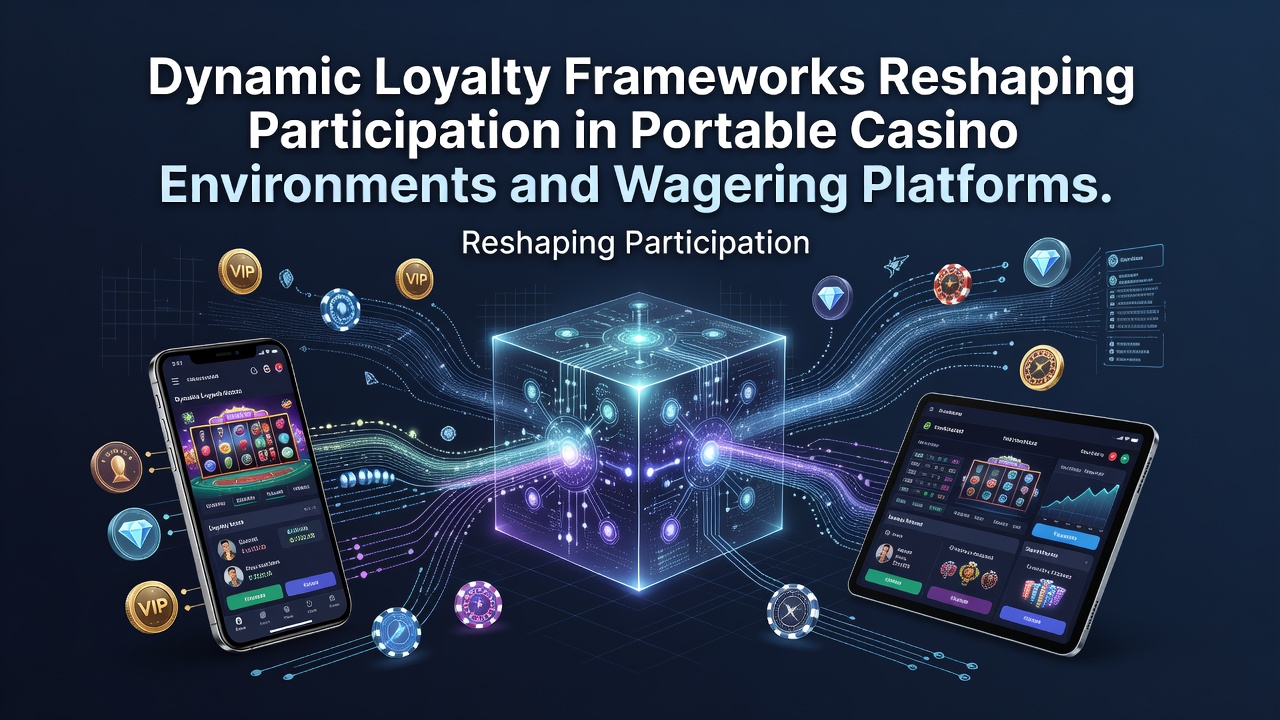
Dynamic Loyalty Frameworks Reshaping Participation in Portable Casino Environments and Wagering Platforms
Dynamic loyalty frameworks have emerged as central components in portable casino environments and wagering platforms where operators integrate real-time data analytics with user behavior tracking to adjust rewards on the fly. These systems replace static point accumulation models with adaptive structures that respond to individual activity patterns across slots, table games, and sportsbooks while users engage through smartphones and tablets.
Core Mechanics Driving Modern Loyalty Programs
Operators deploy algorithms that monitor session length, wager volume, and game preferences to recalibrate bonus offers and tier status within minutes of each transaction. Data indicates that platforms using these methods see participation rates climb because rewards align directly with current user habits rather than fixed monthly cycles. Researchers at institutions like the University of Nevada, Las Vegas have documented how such frameworks incorporate machine learning to predict when a player might disengage and then trigger targeted incentives to maintain momentum.
Portable environments benefit particularly because mobile interfaces allow instant notifications and one-tap redemptions that fixed desktop systems cannot match. Participants receive updates on progress toward next-tier benefits while commuting or during short breaks which keeps engagement levels elevated throughout the day.
Integration With Payment Systems and Wallet Features
Many frameworks now link loyalty metrics directly to digital wallet activity so that deposits and withdrawals influence reward multipliers in real time. A player completing a deposit through an approved method might unlock accelerated point accrual for the following 24 hours while those using specific regional payment rails gain access to exclusive challenges. Industry reports from the American Gaming Association highlight how these connections streamline operations across multiple jurisdictions and reduce friction that previously caused users to abandon sessions mid-play.
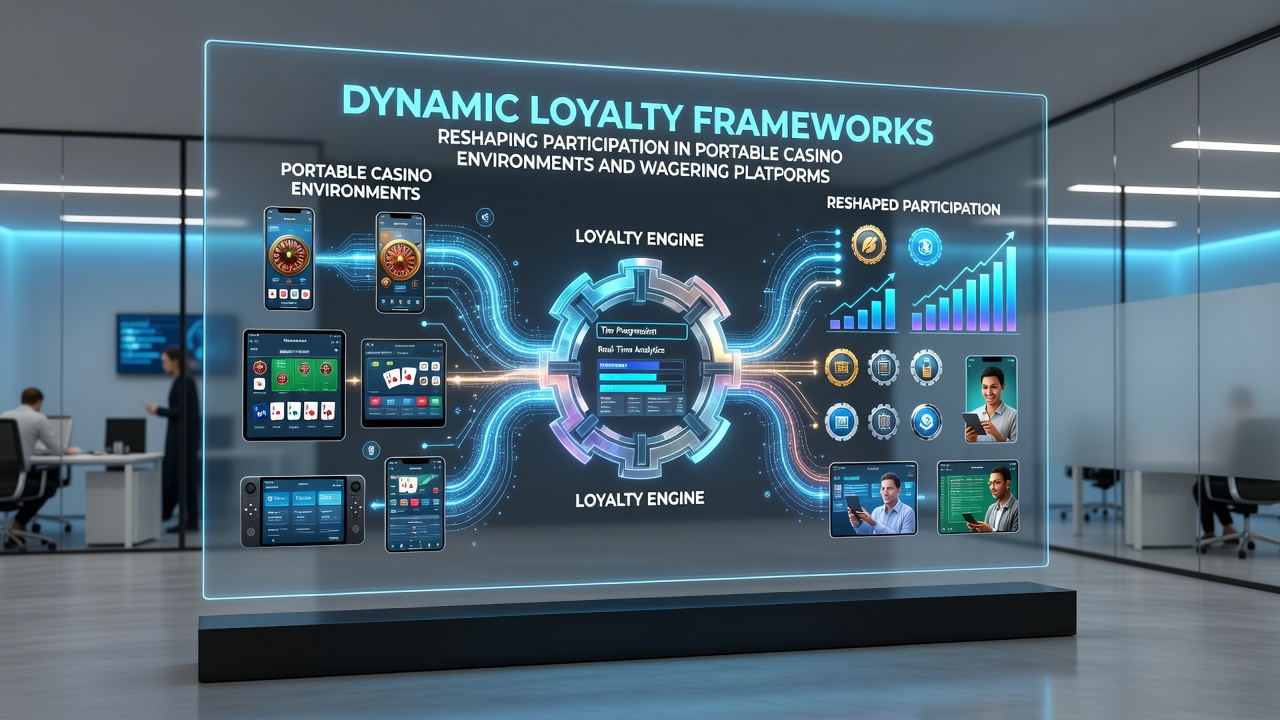
August 2026 brought further refinements when several platforms introduced cross-game loyalty ledgers that carry progress from casino sections into live sports betting interfaces without requiring separate enrollments. This unified approach allows a single account to accumulate value across verticals while operators track aggregate risk and reward distribution more precisely.
Regional Variations and Regulatory Influences
European markets have adopted these frameworks under directives from bodies such as the Malta Gaming Authority which emphasize transparency in how algorithms determine eligibility for promotions. Operators must display clear criteria for tier advancement and maintain audit trails that regulators can review on demand. In contrast North American jurisdictions including those overseen by the Nevada Gaming Control Board have focused on responsible gaming integrations where loyalty systems pause or adjust rewards when predefined spend thresholds are reached.
Australian operators meanwhile have emphasized geographic personalization so that rewards reflect local sporting events and seasonal promotions that align with regional calendars. These differences illustrate how dynamic loyalty adapts to varying compliance landscapes while still delivering consistent user experiences on portable devices.
Impact on User Retention and Platform Metrics
Studies conducted by the Gambling Research Exchange Ontario reveal that platforms implementing adaptive loyalty structures report higher session frequencies and longer average play durations compared with those relying on legacy point systems. Retention improves because users perceive ongoing value rather than waiting for periodic resets that feel arbitrary. Observers note that the ability to view live progress dashboards on mobile apps contributes to this effect by creating visible momentum toward upcoming benefits.
Case examples from major wagering platforms show that when loyalty tiers incorporate social elements such as group challenges or shared leaderboards participation spikes during major sporting events. These features leverage the portable nature of the platforms allowing users to coordinate with peers across different time zones without leaving the application interface.
Future Trajectories for Loyalty Architecture
Developers continue refining predictive models that anticipate shifts in user preferences before they become apparent through traditional analytics. Integration with emerging technologies including augmented reality overlays on live dealer streams promises to add new layers of interaction that loyalty systems can reward in novel ways. Platforms that maintain flexible backend architectures stand positioned to incorporate these advances without overhauling entire reward structures.
Conclusion
Dynamic loyalty frameworks continue to evolve as portable casino environments and wagering platforms prioritize seamless mobile experiences supported by responsive reward mechanisms. Data from multiple regulatory regions and academic sources demonstrates measurable shifts in participation patterns tied to these adaptive systems. As operators refine integration points between payments, games, and user interfaces the frameworks provide structured pathways that sustain engagement across diverse player segments while meeting compliance requirements in an expanding global market.