Electronic Transfer Dynamics Influencing VIP Tiers on Mobile Devices Across Slots, Table Games, Live Dealer Sessions, and Sports Wagers
Rosa Butler · Aug 25, 2026
Electronic Transfer Dynamics Influencing VIP Tiers on Mobile Devices Across Slots, Table Games, Live Dealer Sessions, and Sports Wagers
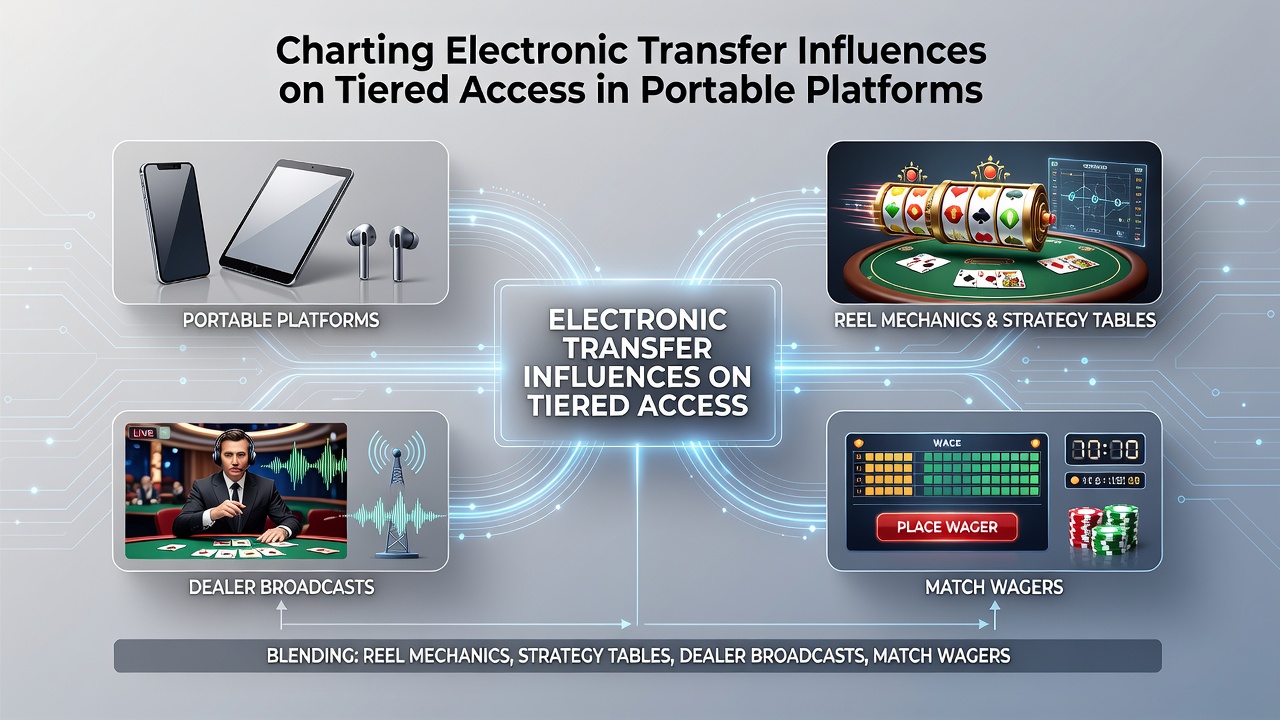
Electronic transfers through mobile wallets and instant payment gateways have altered how players gain entry to tiered access systems on portable platforms, where reel mechanics in slots combine with strategy tables, dealer broadcasts, and match wagers in sports betting. Data from industry reports shows that rapid fund movements accelerate progression through loyalty levels because platforms track deposit frequency and volume in real time, granting users higher status that unlocks customized bonuses and faster cashouts.
Payment Speed and Tier Progression Patterns
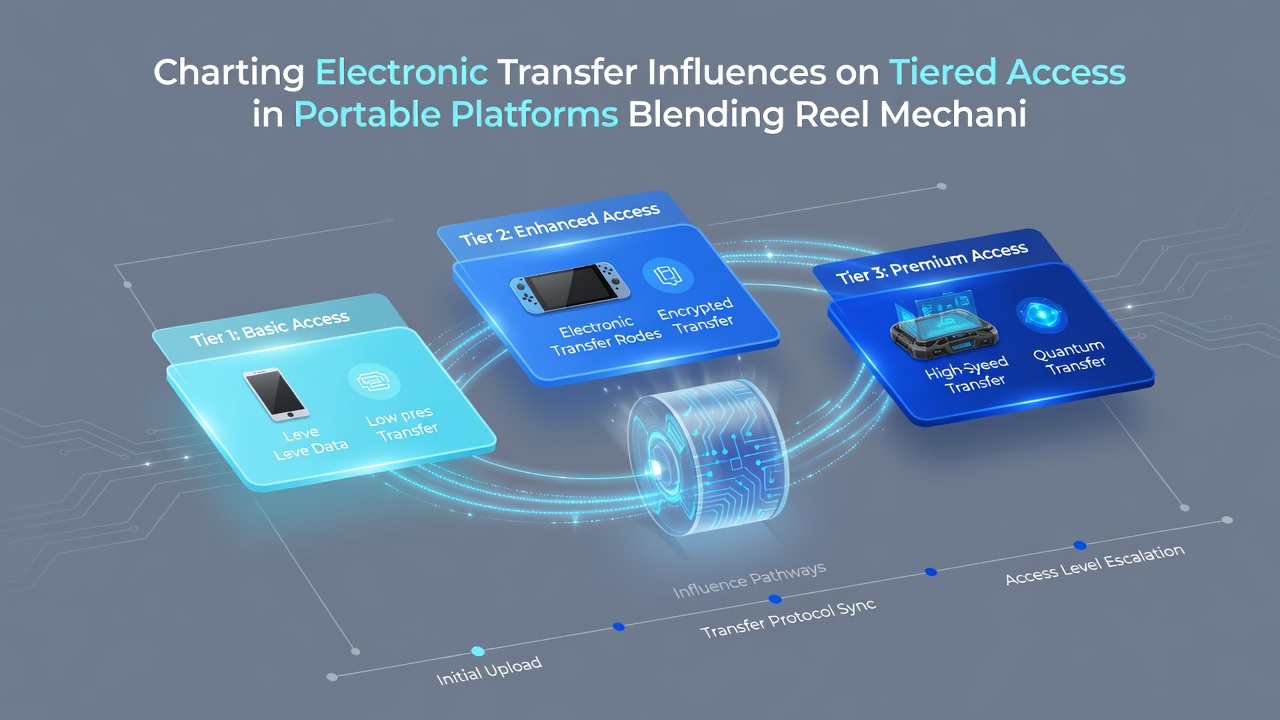
Platforms integrate electronic transfers directly into their backend systems, so when funds arrive instantly the algorithms update player profiles without delay. Observers note that users who complete multiple transfers within short windows reach mid-tier status sooner than those relying on slower methods. Research from the American Gaming Association indicates mobile payment adoption rose steadily between 2023 and 2025, correlating with expanded VIP programs that reward consistent activity across game categories. Those who study these systems find that a single large transfer or a series of smaller ones both count toward the metrics that determine tier elevation, though platforms weight volume differently depending on regional regulations.
Integration Across Game Types
Reel mechanics in slots respond to tier upgrades by offering increased spin multipliers and exclusive progressive jackpots, while strategy tables adjust table limits and provide dedicated support staff. Dealer broadcasts incorporate tier benefits through private tables and enhanced camera angles reserved for higher-level users, and match wagers gain from reduced margins plus early access to special betting markets. According to figures released by the Nevada Gaming Control Board, operators in regulated markets report that players maintaining active electronic transfer histories across these formats show higher retention rates once they enter upper tiers. The blending occurs because unified wallets feed all game verticals simultaneously, allowing activity in one area to influence rewards in others without separate tracking steps.
Portable platforms further refine this process by using geolocation and device data to verify transfers quickly, which reduces friction and keeps players engaged longer during live sessions. Studies from university gaming research groups reveal that seamless wallet connections encourage cross-category play, where a user might start with slots then move to live dealer tables and sports wagers within the same hour, accumulating points that feed the same tier ladder.
Developments Expected by August 2026
By August 2026 several jurisdictions plan to expand licensing frameworks that recognize electronic transfer methods as standard for compliance verification. Industry organizations such as the Canadian Gaming Association have published projections showing continued growth in mobile tier systems tied to these payment rails. Operators anticipate that updated verification protocols will allow even tighter integration between transfers and tier calculations, particularly for international users accessing dealer broadcasts and match wagers from multiple regions. Those who track regulatory filings note that platforms already testing these changes report smoother progression paths because automated systems flag qualifying activity without manual review.
Examples from existing deployments illustrate the pattern. One operator in a European market linked wallet activity directly to a multi-tier rewards engine, resulting in documented increases in combined play across slots and sports betting within six months. Another case involved Australian platforms that introduced instant cashback tiers funded by electronic deposits, which researchers linked to extended session times in both table games and live dealer environments. These instances demonstrate how transfer data serves as the common input that powers differentiated access levels regardless of the specific game mechanics involved.
Future Monitoring and Data Tracking
Academic papers from institutions examining digital gambling economies emphasize the importance of transparent metrics when transfers influence tier status. Platforms now publish periodic summaries that detail average transfer sizes required for each level, allowing users to plan activity across reel mechanics, strategy tables, dealer broadcasts, and match wagers. The reality is that continued refinement of these systems depends on collaboration between payment providers and gaming operators to maintain compliance while preserving the speed that drives tier advancement.
Conclusion
Electronic transfers continue to serve as the primary driver behind tiered access structures in mobile environments that combine multiple gaming formats. Evidence from regulatory bodies and industry analyses confirms that faster, verified movements of funds translate directly into elevated status and associated benefits. As frameworks evolve through 2026, the connection between payment activity and reward tiers will likely grow more precise, shaping how players navigate slots, tables, live sessions, and sports markets on portable devices.