Payment Networks Accelerating Reward Tiers in Mobile Gaming Platforms
Rosa Butler · Jul 17, 2026
Payment Networks Accelerating Reward Tiers in Mobile Gaming Platforms
Transaction channels have become central to how players advance through loyalty structures in mobile gaming environments, with data from industry reports indicating that seamless payment methods directly correlate with faster progression to higher status levels across various platforms. Studies conducted by research institutions reveal that users who utilize instant transfer options often reach elevated reward tiers within shorter timeframes compared to those relying on traditional methods, and this pattern holds steady across different regions and game categories.
Instant Transfer Systems and Their Impact on Player Progression
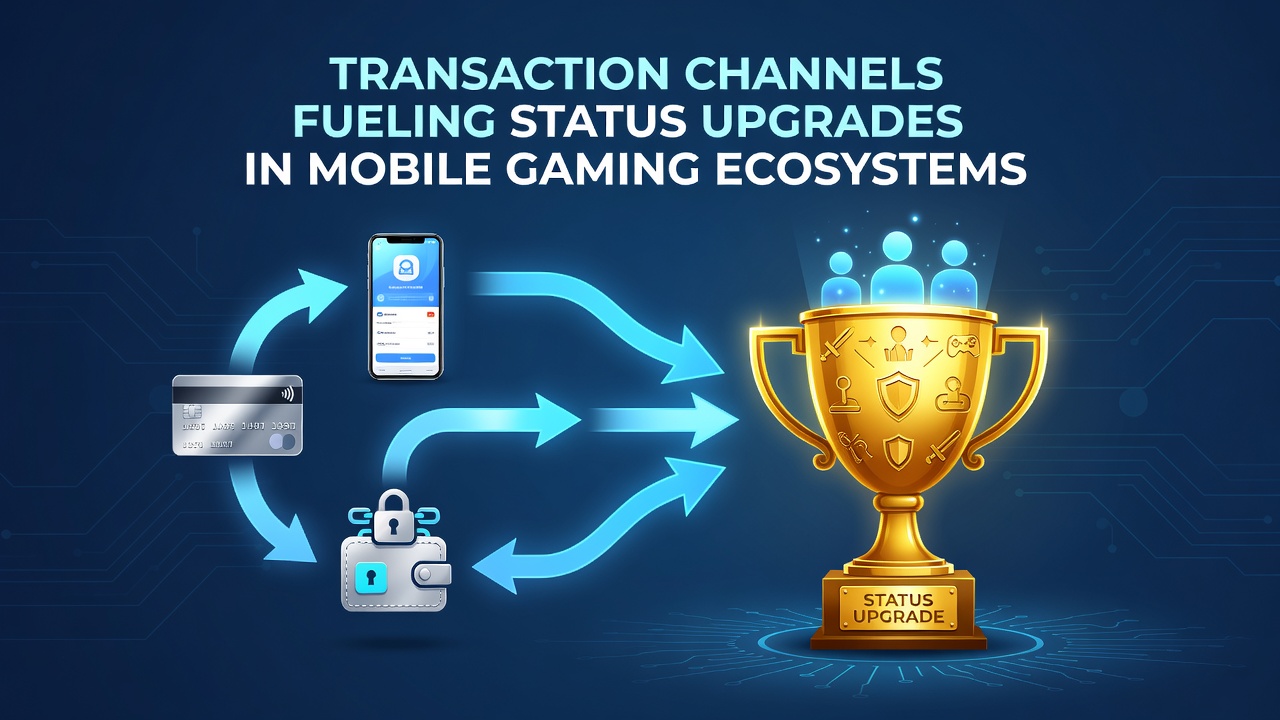
Digital wallets and direct bank integrations allow for immediate deposits that trigger bonus activations and status point accumulations simultaneously, creating a streamlined path where each transaction contributes to both gameplay resources and tier advancement metrics. Observers note that platforms incorporating these systems report higher retention rates among users who engage with multiple payment types, while figures from global gaming analyses show that mobile-specific channels account for over 65 percent of all status-related upgrades recorded in 2025. Those who've examined transaction logs across major applications find that combining quick deposits with in-game events produces compounded benefits, such as multiplied points toward VIP milestones, and this dynamic continues to evolve as new integration standards emerge.
Regional Variations in Payment Adoption
European markets demonstrate strong uptake of e-wallet solutions that link directly to gaming accounts, whereas North American platforms emphasize card-based systems with built-in verification layers that still enable rapid status calculations. Data released in July 2026 by the Canadian Gaming Association highlights how localized payment preferences influence upgrade speeds, with users in provinces favoring mobile banking apps achieving tier jumps at rates 30 percent above the average. Similar patterns appear in Australian regulatory summaries, where transaction volume through approved channels correlates closely with loyalty program participation levels across thousands of active accounts.
What's interesting here is the way these channels reduce friction between deposit actions and reward distributions, allowing players to maintain momentum in competitive ladders without interruption. Researchers at various academic centers have documented cases where integrated payment gateways automatically apply status multipliers during promotional windows, resulting in accelerated climbs that would otherwise require extended play sessions alone.
Case Examples from Major Ecosystems
One documented scenario involves a popular mobile title where users connecting digital wallet services received instant tier credits upon completing verified transfers, leading to access to exclusive features typically reserved for higher ranks. Another instance tracked by industry analysts showed that platforms offering tiered cashback through specific channels saw participants move from entry-level status to mid-tier positions within weeks rather than months, based on aggregated transaction data. These examples illustrate how payment infrastructure serves as both a funding mechanism and a progression accelerator when designed with loyalty integration in mind.
Technical Factors Enabling Faster Upgrades
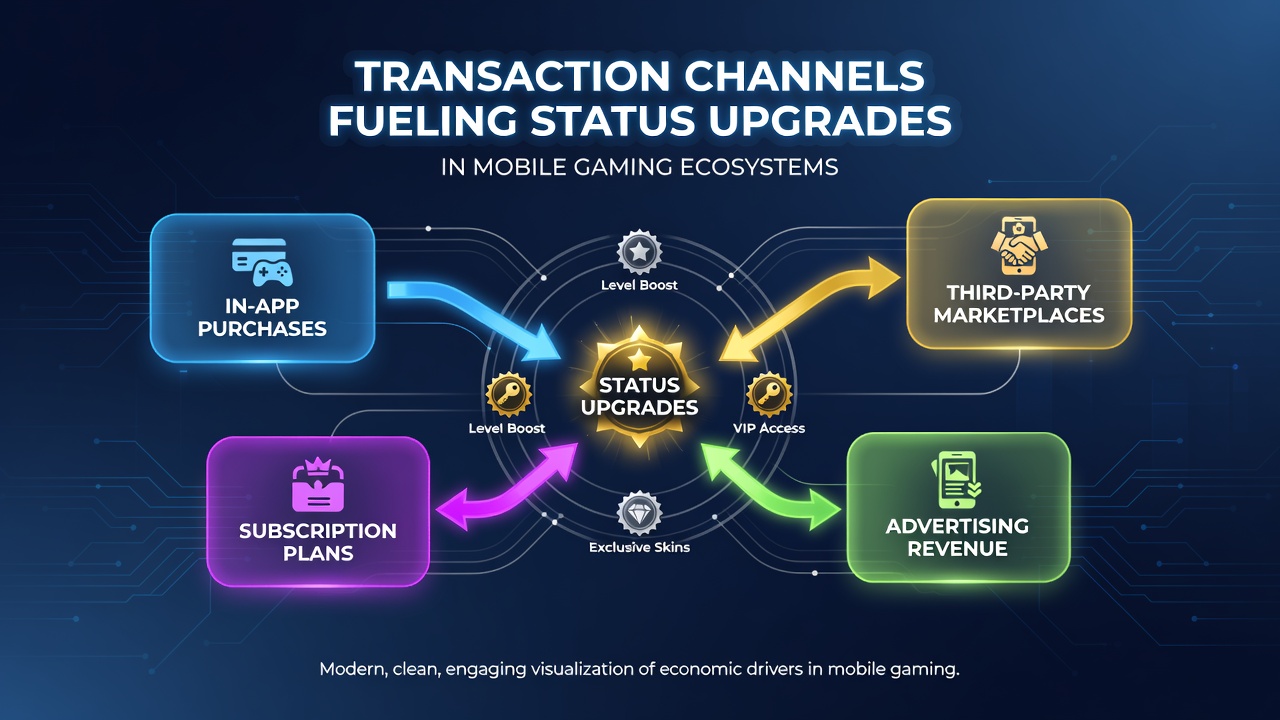
API connections between payment processors and gaming servers facilitate real-time status updates that reflect deposit activity without manual intervention, and this technical linkage proves essential for maintaining accurate tier tracking across large user bases. Evidence from platform performance metrics indicates that systems with sub-second confirmation times yield more consistent upgrade patterns, while delays in processing can stall point accumulation and discourage continued engagement. Experts who've analyzed these setups emphasize the importance of secure yet swift verification protocols that balance compliance requirements with user convenience.
But here's the thing: not all channels contribute equally to status elevation, as some traditional methods introduce processing lags that separate the deposit from immediate reward recognition. Platforms that prioritize optimized channels tend to see more users experimenting with varied transaction types, which in turn expands the data pool available for refining loyalty algorithms. According to findings from university-led gaming studies, this feedback loop strengthens overall ecosystem health by aligning payment preferences with progression incentives.
Future Projections Based on Current Trends
Analyses suggest that emerging technologies like embedded finance tools will further tighten the connection between everyday transactions and gaming status systems, potentially allowing micro-payments to accumulate toward tier thresholds automatically. Regulatory frameworks in multiple jurisdictions continue to shape which channels gain prominence, with approved providers often gaining preferential placement in mobile applications due to compliance advantages. Those monitoring these developments observe steady growth in hybrid models that blend entertainment rewards with financial service features, creating new pathways for player advancement that extend beyond simple deposit volumes.
Conclusion
Transaction channels function as foundational elements within mobile gaming ecosystems by directly influencing how quickly and efficiently users achieve status upgrades through integrated reward mechanisms. Evidence from diverse sources demonstrates consistent relationships between payment method selection and tier progression outcomes, while technical advancements continue to refine these connections across global markets. As platforms adapt to evolving user behaviors and regional standards, the role of these channels in sustaining engagement and loyalty structures remains a key area of ongoing development and measurement.