Payment Pathways Powering Personalized Experiences in Live and Virtual Gaming Worlds
Drew Carter · May 19, 2026
Payment Pathways Powering Personalized Experiences in Live and Virtual Gaming Worlds
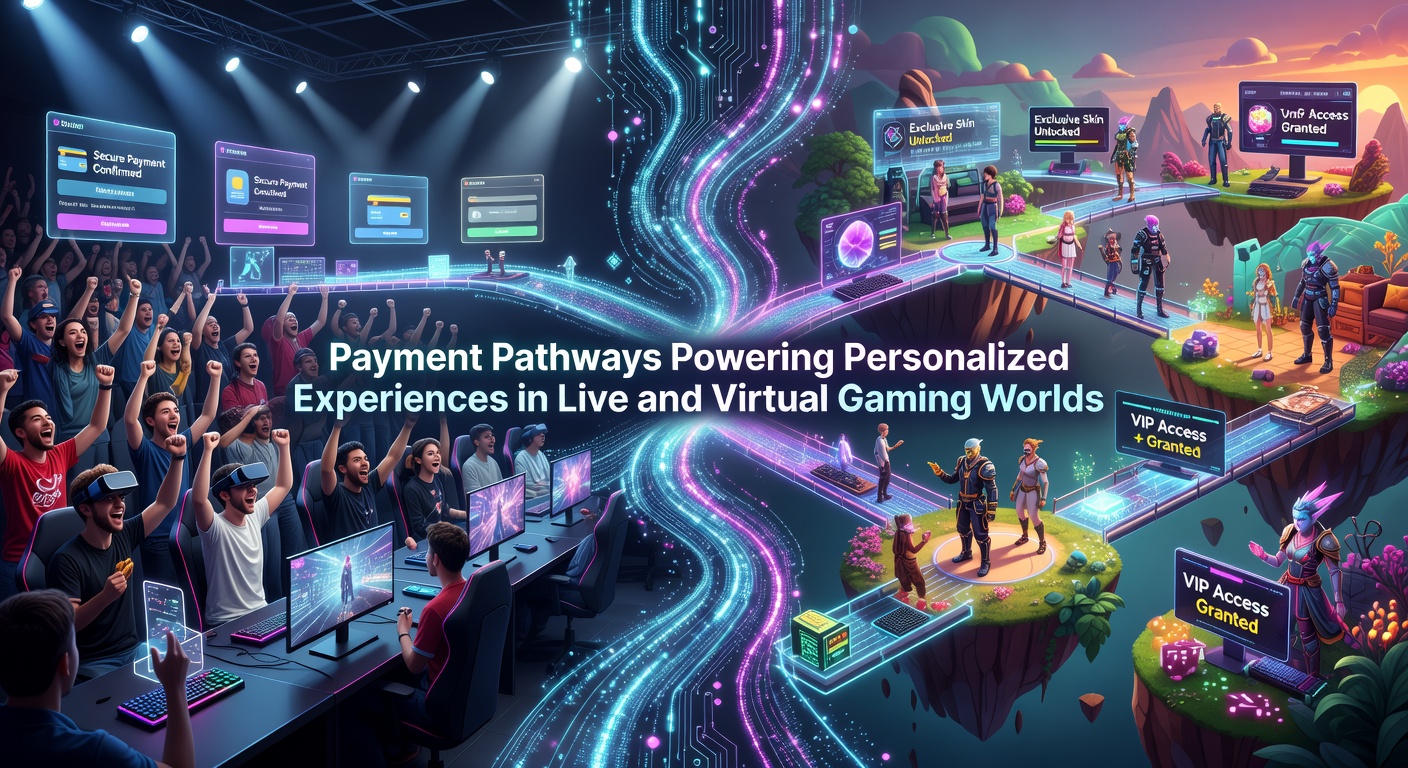
Payment systems have evolved into core engines that drive customization across live dealer tables and expansive virtual environments, where transaction data directly shapes player profiles and content delivery. Operators now route funds through layered networks that combine traditional banking rails with digital wallets and tokenized assets, allowing real-time adjustments to game recommendations and reward structures based on spending patterns and session behaviors.
Researchers at the University of Nevada Reno documented how integrated payment platforms collect granular details on deposit frequency and amount ranges, which then feed into algorithms that alter bonus eligibility and interface layouts without disrupting gameplay flow. These mechanisms operate continuously, linking each transfer to a persistent user identity that spans both physical casino floors equipped with digital kiosks and fully simulated realms accessed via headsets.
Transaction Layers Supporting Live Dealer Customization
Live gaming environments rely on instant settlement capabilities to maintain immersion, and payment gateways now embed verification steps that double as personalization triggers. When a participant selects a preferred dealer or stakes level, the underlying system cross-references prior transaction histories to surface matching table options or dynamic camera angles. Studies conducted by the American Gaming Association show that platforms using unified payment ledgers achieve higher retention rates because users encounter fewer interruptions between funding and play initiation.
Observers note that multi-currency support has become standard, permitting seamless switches between fiat options and stablecoins during the same session. This flexibility lets operators tailor promotional offers according to regional banking preferences while preserving a single account balance visible across desktop and mobile views.
Virtual World Economies and Adaptive Funding Routes
Virtual gaming spaces extend these principles into persistent economies where avatars purchase assets or entry passes through programmable contracts. Payment pathways here incorporate blockchain verification that records every micro-transaction, creating detailed ledgers analysts use to predict future spending clusters and adjust virtual item availability accordingly. Data compiled by the Canadian Gaming Association reveals measurable upticks in engagement when platforms align funding methods with user-selected avatar progression tracks.
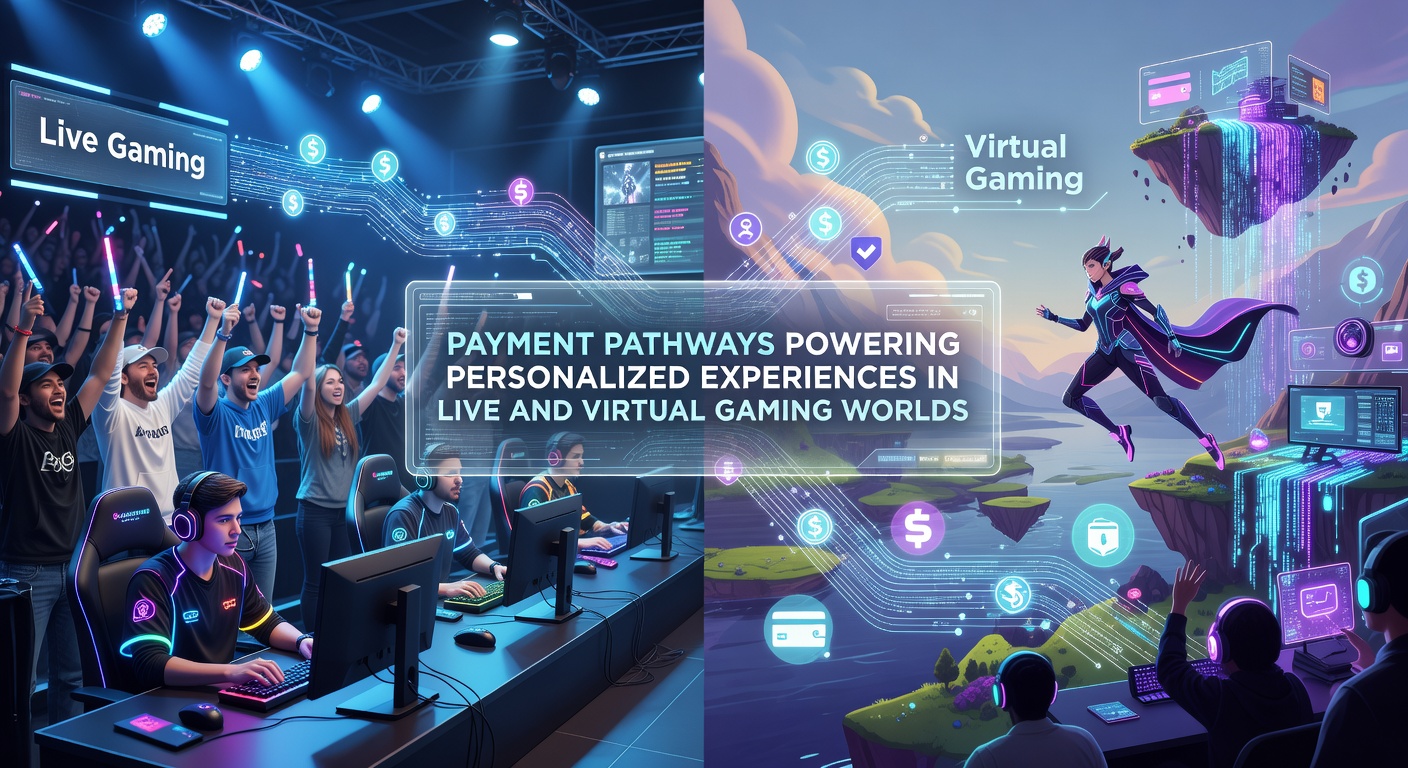
Developers integrate these pathways with biometric authentication layers, so a single verified transfer unlocks tiered experiences ranging from exclusive virtual events to collaborative quests that scale difficulty based on accumulated spend metrics. What's interesting is how these connections reduce friction while simultaneously enriching the dataset that refines future encounters.
May 2026 Developments in Cross-Platform Settlement Standards
Industry gatherings scheduled for May 2026 in Singapore will examine proposed interoperability frameworks that allow payment credentials to travel between live casino networks and metaverse environments without repeated identity checks. Early pilot programs already demonstrate reduced processing times and expanded options for users who move between physical and digital sessions within hours. Reports from the Asia-Pacific Gaming Association indicate these standards aim to standardize token formats while respecting varying jurisdictional requirements across North America and Europe.
Implementation teams emphasize that the new protocols preserve existing security certifications yet open doors for more granular loyalty tracking tied directly to transaction velocity rather than static account age.
Data Flows Connecting Payments to Experience Tailoring
Every authorized transfer contributes to a composite profile that influences everything from live dealer selection algorithms to virtual environment lighting and soundscapes. Academic papers published in the Journal of Gambling Studies describe how machine learning models trained on anonymized payment sequences forecast optimal reward timing, leading to higher satisfaction scores across tested cohorts. These models operate without exposing individual identities, instead relying on aggregated patterns that operators refine continuously.
Payment service providers have begun offering API endpoints specifically designed for gaming firms, enabling direct injection of transaction metadata into personalization engines while maintaining compliance with data protection statutes in multiple regions. The result appears in interfaces that adapt mid-session, presenting relevant side games or asset bundles the moment funding activity signals readiness for extended play.
Conclusion
Payment infrastructure now functions as the connective tissue that synchronizes live and virtual gaming experiences through continuous data exchange and adaptive routing. As settlement technologies advance, the capacity for precise personalization expands in direct proportion to transaction volume and variety, establishing pathways that support both operational efficiency and user-specific content delivery across evolving platforms.