Payment Pathways Shaping Loyalty Progression in Global Wagering Sectors
Rosa Butler · Jun 9, 2026
Payment Pathways Shaping Loyalty Progression in Global Wagering Sectors
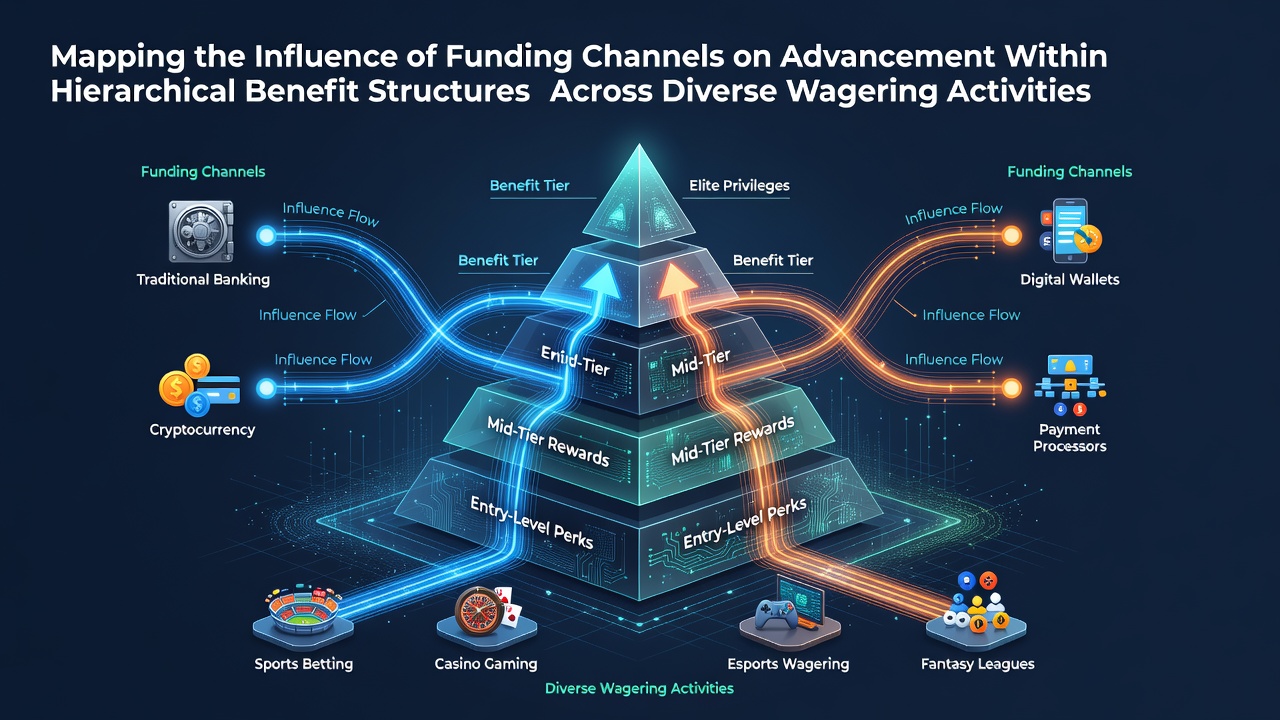
Experts have tracked how different funding methods connect directly to player movement through tiered reward systems in slots, table games, live dealer environments, and sportsbooks. Data from multiple markets shows that deposit speed, transaction limits, and verification processes determine eligibility for higher benefit levels, where perks include personalized bonuses, faster withdrawals, and exclusive event access. Researchers at institutions studying gambling economics note that credit card transactions often require additional verification steps compared with digital wallets, which can delay initial tier placement. In contrast, e-wallet users frequently reach mid-level status within the first month of consistent activity because these methods provide instant confirmation and lower processing fees for operators.Funding Channels and Tier Mechanics Across Activity Types
Slots players experience the most direct link between payment choice and advancement speed since high-volume spins pair with automated tracking systems that reward frequent deposits. Those using bank transfers encounter longer processing windows, which sometimes postpone bonus unlocks tied to monthly spend thresholds, whereas instant options accelerate the climb.
Table game environments apply similar patterns yet add layer of scrutiny around larger wager sizes. Observers note that participants funding accounts through wire services may face extended review periods before accessing VIP tables, while mobile payment users bypass several hurdles and enter reward tracks sooner.
Live dealer sessions blend real-time interaction with automated loyalty tracking, and funding method influences both deposit frequency and session length. Studies indicate that crypto-based deposits correlate with quicker progression in some platforms because they avoid traditional banking delays and support higher transaction volumes without intermediate approvals. Sportsbooks present a distinct case because event-based betting creates irregular deposit patterns. Data shows that users relying on prepaid cards often accumulate points at a steadier rate due to built-in spending caps that align with operator algorithms for tier qualification, while direct bank links can trigger additional compliance checks that slow advancement.Regional Patterns and Data Trends
North American markets reveal consistent correlations between payment speed and reward access according to reports compiled by the American Gaming Association. Figures reveal that platforms integrating multiple wallet options report higher retention in upper tiers compared with those limited to traditional cards.
 Australian regulatory analyses highlight parallel outcomes where instant funding methods reduce friction in loyalty programs spanning poker, racing, and casino verticals. Participants using these channels reach status milestones at rates 20 to 30 percent higher than those dependent on slower options, based on aggregated operator data. European operators outside the UK have adopted tier models that factor payment reliability into initial placement decisions. This approach creates pathways where verified digital methods grant immediate access to mid-tier benefits, whereas newer or unverified channels require demonstrated activity before full privileges activate.
Operational Implications for Operators and Players
Platform developers adjust algorithms to prioritize funding channels that minimize chargebacks and verification delays, which in turn shapes how quickly players unlock hierarchical benefits. Those who've examined transaction logs across thousands of accounts find that seamless payment flows translate into higher lifetime value because users remain engaged longer once they enter elevated tiers.
June 2026 marks scheduled updates in several North American jurisdictions where new interoperability standards for digital payments will take effect, potentially standardizing how operators map deposits to reward progression across diverse wagering formats. These changes aim to align verification timelines and could reduce discrepancies currently observed between payment types.
Operators that diversify accepted methods while maintaining compliance thresholds tend to see balanced distribution across all tiers rather than concentration at entry levels. Research indicates this diversification supports steadier advancement rates regardless of whether players focus on slots volume, table strategy, live interaction, or sports event betting.Conclusion
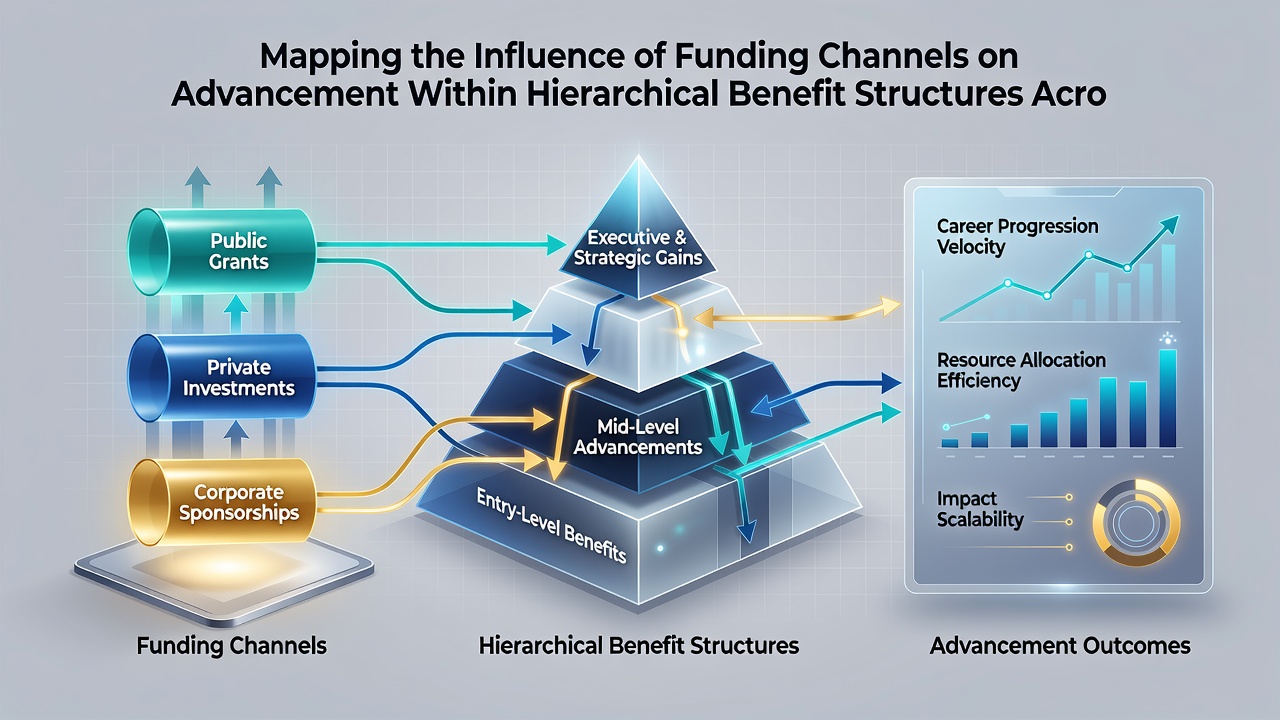
Mapping exercises across markets demonstrate that funding channel characteristics exert measurable influence on movement through benefit hierarchies in wagering activities. Patterns emerge consistently when analysts compare deposit velocity, verification requirements, and transaction reliability against tier achievement timelines, revealing structural connections that operators continue to refine through data-driven adjustments.