Payment Velocity Fuels VIP Progression in Diverse Digital Casino Landscapes
Rosa Butler · Aug 16, 2026
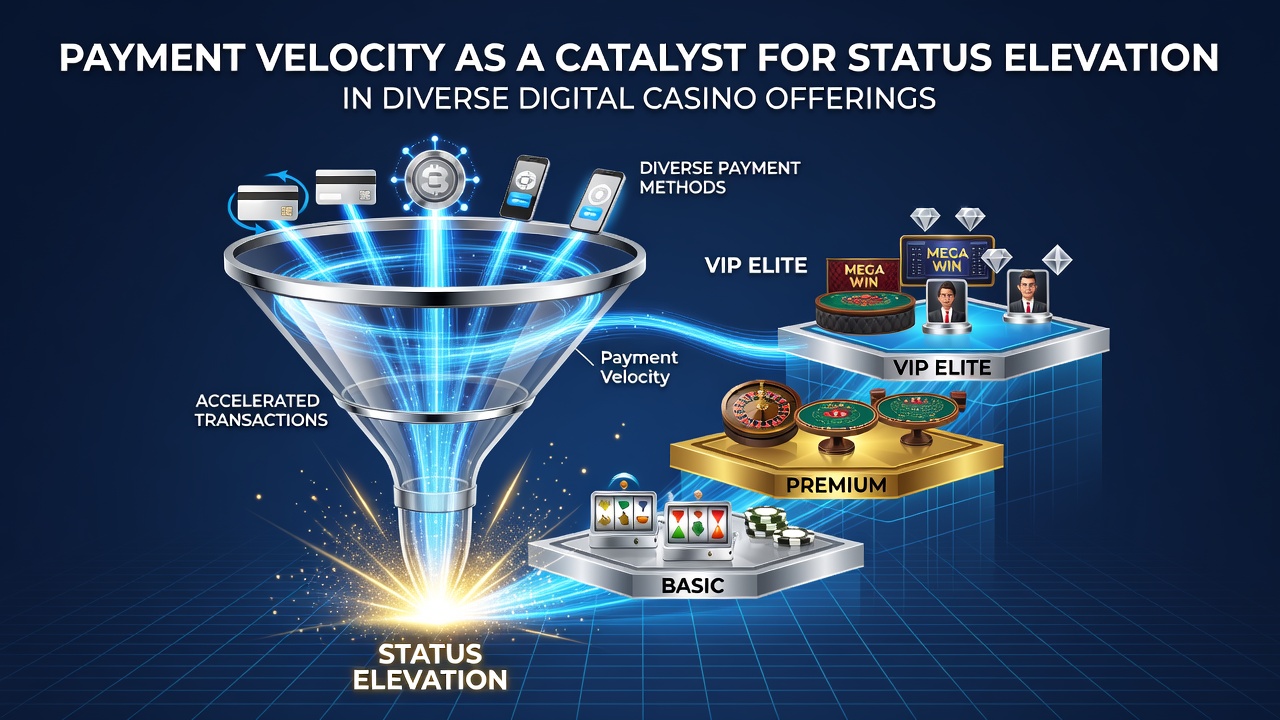
Payment Velocity Fuels VIP Progression in Diverse Digital Casino Landscapes
Payment velocity refers to the rate at which funds move through digital casino systems, and this metric directly influences how quickly players accumulate loyalty points across slots, table games, live dealer sessions, and sportsbooks. Operators track transaction completion times because faster deposits and withdrawals allow users to maintain continuous play, which in turn generates more activity data for tier advancement algorithms. Research from the University of Nevada's gaming studies program indicates that platforms with sub-second processing see measurable increases in repeat engagement within the first 30 days of account activity.
Those who monitor casino reward programs note that many systems award status points based on wager volume rather than deposit size alone, yet rapid funding enables players to convert banked funds into bets without interruption. This seamless loop accelerates the climb through bronze, silver, gold, and platinum tiers because each completed transaction refreshes the player's eligibility window. Data compiled by the American Gaming Association shows that casinos offering instant wallet integration report 18 to 22 percent higher average session lengths compared with those relying on traditional bank transfers.
Mechanics Behind Velocity-Driven Status Elevation
Digital casinos calculate VIP progression using a combination of total wagers, deposit frequency, and account tenure, while payment velocity acts as the multiplier that compresses the timeline between tiers. When a deposit clears in seconds rather than hours, the system immediately credits the balance and begins tracking the resulting bets toward the next reward threshold. Observers at industry conferences have documented cases where players using mobile wallets reached gold status in under two weeks, whereas slower methods extended the same journey to six or eight weeks.
Live dealer environments benefit particularly because table minimums and maximums update in real time, allowing high-velocity users to cycle through multiple rounds without pausing for funding approvals. Sportsbook sections follow similar patterns, with in-play betting markets requiring immediate capital to capitalize on shifting odds. Figures released by the Nevada Gaming Control Board reveal that licensed operators integrating instant settlement gateways recorded a 15 percent rise in cross-product play between slots and sports markets during the 2025 fiscal year.
Comparative Impact Across Game Categories
Slots reward consistent spin volume, and rapid deposits keep reels turning without the friction of manual top-ups. Table games such as blackjack and roulette accumulate points through hand counts, so uninterrupted bankrolls translate into faster comp accumulation. Live dealer streams add another layer because chat-based tipping and side bets require fluid funds that arrive without latency. Sportsbooks round out the picture by tying status points to both pre-match and live wagers, where timing directly affects potential returns.
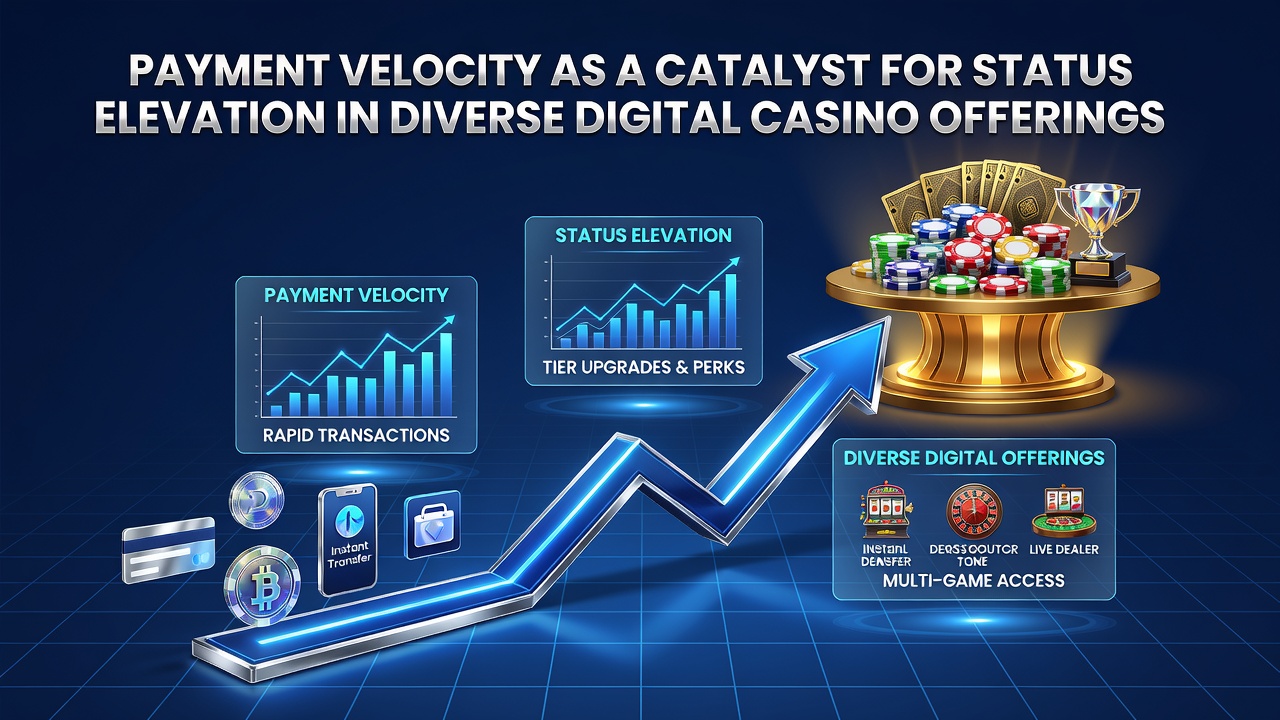
One documented example involves a European operator that introduced same-minute crypto settlements in early 2025. Within four months the platform observed a 31 percent increase in users qualifying for exclusive VIP events, according to internal metrics shared at the International Association of Gaming Regulators meeting. The pattern holds across jurisdictions because the underlying algorithms prioritize activity density over geography.
Regulatory Context and August 2026 Developments
By August 2026 several North American and Australian regulators are scheduled to finalize updated technical standards that mandate clearer disclosure of processing times on player dashboards. These rules aim to standardize how operators report average deposit and withdrawal durations, which indirectly highlights the role of payment velocity in loyalty calculations. Industry reports from the Canadian Gaming Association suggest that provinces adopting similar transparency measures have seen operators invest more heavily in faster gateways to remain competitive.
Payment service providers have responded by expanding partnerships with licensed casinos, embedding real-time verification layers that satisfy both speed and compliance requirements. This infrastructure evolution supports the continued linkage between transaction velocity and status elevation without requiring players to navigate separate banking portals.
Conclusion
Payment velocity functions as a structural accelerator within digital casino loyalty frameworks, shortening the interval between initial deposits and VIP recognition across slots, tables, live dealers, and sportsbooks. Regulatory updates expected in August 2026 will likely reinforce transparency around these speeds, giving players clearer visibility into how their transaction patterns influence tier movement. The mechanisms remain consistent: faster fund movement sustains higher activity density, which the systems convert into status points and associated benefits.