Tracing Interconnections Among Algorithmic Designs Across Wagering Formats and Loyalty Frameworks
Petra Weber · Jul 19, 2026
Tracing Interconnections Among Algorithmic Designs Across Wagering Formats and Loyalty Frameworks
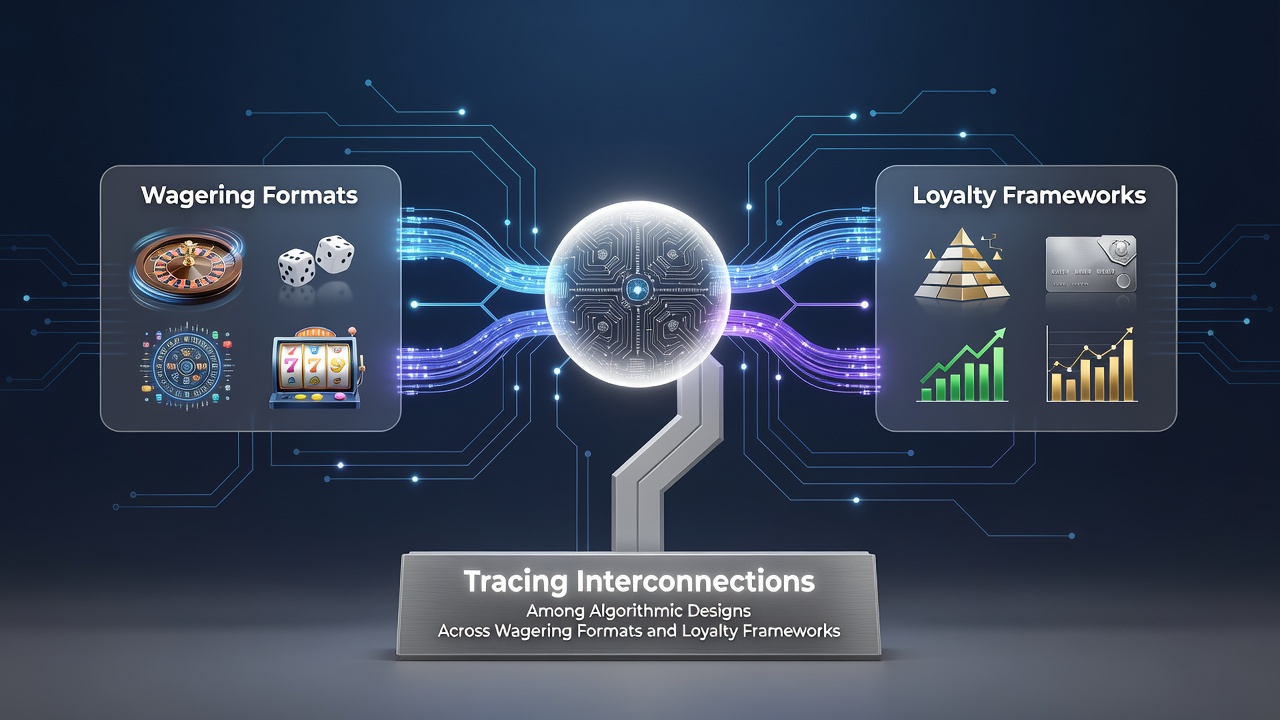
Algorithmic designs underpin modern wagering systems and they extend their influence into loyalty frameworks through shared data structures and predictive models that adapt across formats like slots, table games, sportsbooks, and live dealer environments. Researchers have mapped these connections by examining how random number generators in slot machines feed into player segmentation tools while odds calculation engines in sports betting inform similar clustering methods used for reward tier assignments. Data from industry reports indicate that these overlaps allow operators to maintain consistent player engagement metrics even as individuals switch between game types throughout a single session.
Core Algorithmic Components in Wagering Formats
Random number generators form the foundation of slot and table game outcomes yet they intersect with loyalty algorithms when session data triggers personalized bonus triggers based on volatility patterns observed over time. Sportsbook algorithms rely on real-time probability models that adjust odds dynamically and these same statistical frameworks appear in loyalty systems when calculating the likelihood of player retention after specific bet volumes. Observers note that poker platforms employ decision-tree algorithms for hand evaluation which parallel the branching logic found in VIP progression models where multiple performance variables determine tier advancement.
Live dealer formats introduce additional layers through streaming analytics that track interaction frequency and these metrics integrate directly with loyalty scoring systems to award points for participation duration rather than solely for wager size. Studies from academic institutions have revealed consistent patterns where wagering algorithms export feature vectors into loyalty databases allowing for cross-format personalization without requiring separate rule sets for each game category.
Loyalty Framework Adaptations and Data Flows
Loyalty programs process inputs from wagering algorithms to generate tiered rewards and the interconnection becomes evident when deposit velocity from mobile wallets influences both bonus eligibility and algorithmic risk assessments used in game recommendations. Progressive reward structures often mirror the payout distribution curves found in slot machines because designers reuse similar exponential growth functions to model point accumulation rates across extended play periods. Those who have examined these systems report that sports betting data on bet frequency feeds into loyalty models to predict churn risk while table game session lengths contribute to separate but compatible retention forecasts.
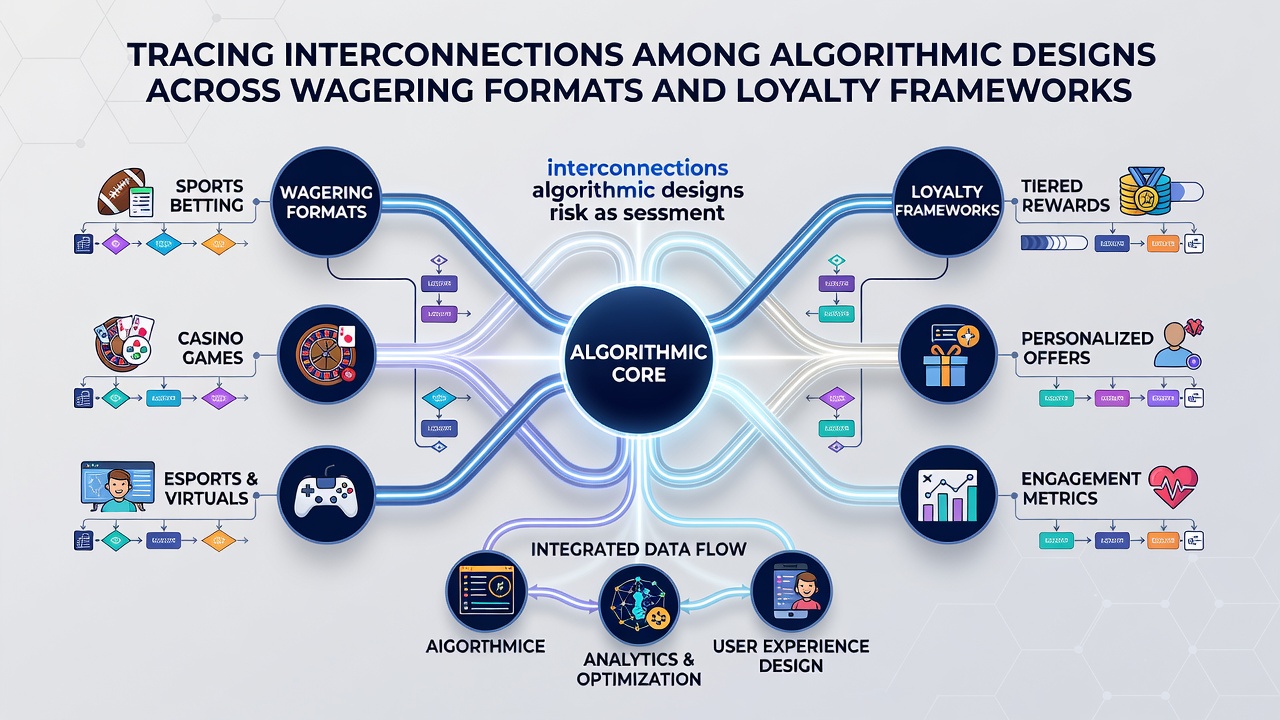
Integration points typically occur through centralized player profiles that aggregate signals from disparate game engines and this architecture enables loyalty frameworks to apply uniform multiplier rules even when underlying wagering mechanics differ substantially. Regulatory filings submitted to bodies such as the Nevada Gaming Control Board document how operators maintain audit trails that link algorithmic outputs from multiple formats to a single loyalty ledger. Similar documentation appears in reports from Canadian provincial regulators where cross-format data sharing supports compliance verification for reward distribution fairness.
Cross-Format Pattern Recognition and July 2026 Developments
Pattern recognition modules originally developed for sports betting line movements now appear in loyalty systems that identify when players approach reward thresholds and this transfer allows for proactive bonus delivery before disengagement occurs. Slot-based algorithms that detect near-miss frequencies contribute comparable signals to loyalty engines when determining the timing of free spin awards or cashback offers. Research indicates that these shared techniques reduce development redundancy while preserving distinct operational characteristics for each wagering vertical.
By July 2026 several platforms had implemented unified algorithmic layers that synchronize wagering outcome data with loyalty progression in real time and this shift followed earlier pilots conducted in European markets where integration reduced processing latency by measurable margins. Academic papers published through university research centers have analyzed these implementations and they highlight how decision engines originally built for one format now handle multi-format inputs without performance degradation.
Implementation Examples Across Regions
Operators in Australia have documented cases where sports betting algorithms inform loyalty point multipliers during major sporting events while slot volatility data adjusts reward frequencies during quieter periods and the combined approach maintains steady engagement curves. North American markets show parallel usage where table game algorithms contribute to loyalty models that reward strategic play patterns rather than volume alone and this method aligns with findings from industry association studies on player behavior segmentation. European platforms meanwhile apply live dealer interaction metrics to loyalty frameworks that emphasize session continuity and these adaptations draw from the same core analytical libraries used across wagering formats.
Conclusion
Interconnections among algorithmic designs continue to shape both wagering mechanics and loyalty structures through shared data pathways and modular code reuse that span multiple game categories. Evidence from regulatory submissions and academic analyses demonstrates how these linkages support consistent player experiences while accommodating the distinct requirements of each format and the trend shows no sign of reversal as platforms expand their technical architectures.