Transaction Bridges Speed Up Reward Accumulation in App-Based Gaming Across Slots, Tables, Live Dealer Sessions, and Betting Markets
Jakob Russell · May 24, 2026
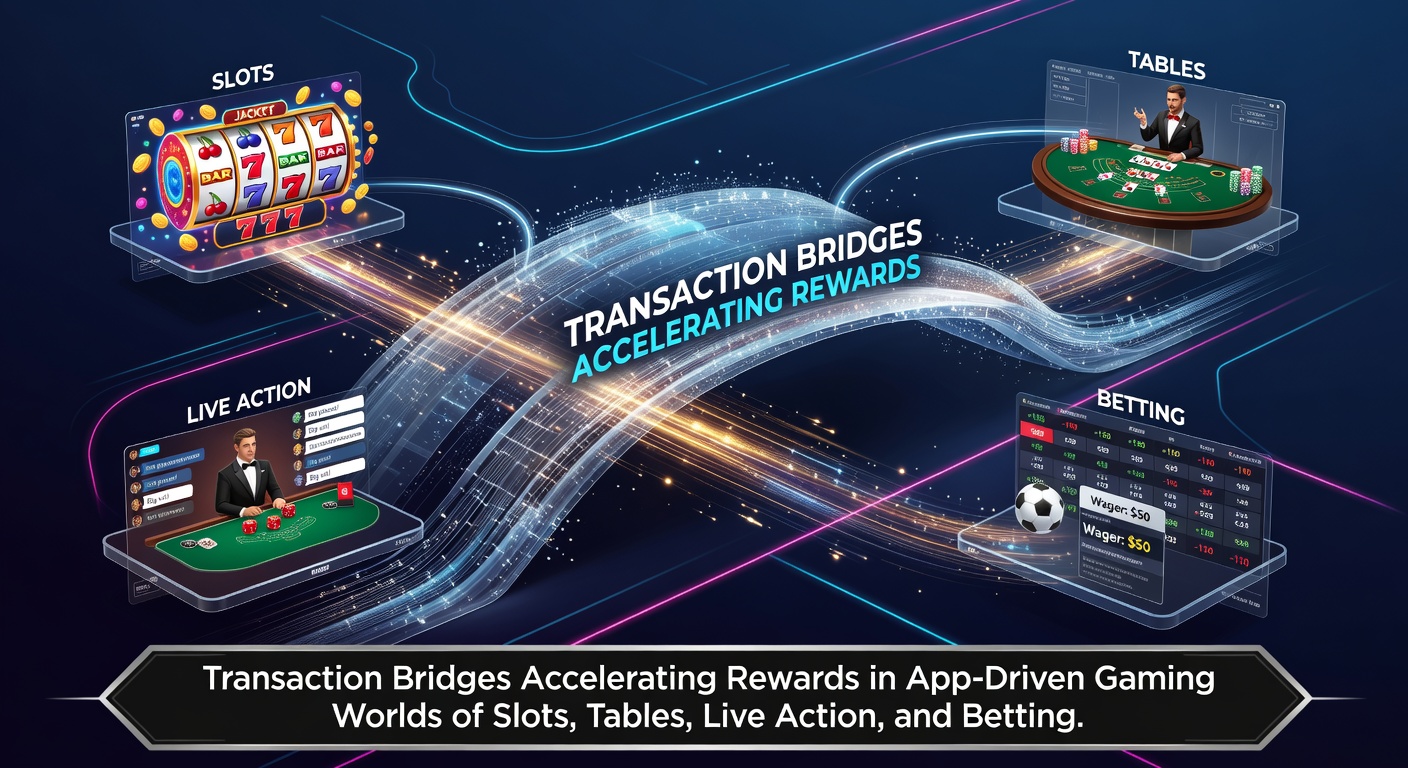
Transaction Bridges Speed Up Reward Accumulation in App-Based Gaming Across Slots, Tables, Live Dealer Sessions, and Betting Markets
Transaction bridges function as integrated payment layers that connect user accounts directly to reward engines in mobile gaming platforms, allowing deposits made in one vertical to trigger credit updates across slots, table games, live dealer streams, and betting markets without separate processing steps. Data from industry tracking shows these systems reduce the time between fund transfers and loyalty point allocation from hours to seconds in many applications.
Platforms that deploy such bridges record higher engagement rates because players move seamlessly between game types while accumulating unified reward balances. According to figures released by the American Gaming Association, digital transaction volumes in integrated casino apps rose 28 percent between 2024 and 2025, driven largely by these unified systems.
How Bridges Operate Across Different Game Types
Slots applications receive instant deposits that convert immediately into spin credits and tier progression markers, whereas table game sections register the same transfer as buy-in amounts that feed into time-based loyalty multipliers. Live dealer environments pull from the same bridge to award real-time interaction bonuses, and sportsbooks draw from it to credit wager-based points that stack with casino verticals.
One platform operating across multiple regions reported that players who used bridged transactions completed an average of 3.2 game-type switches per session in early 2026, compared with 1.8 switches when using traditional wallet separations. The mechanism works by maintaining a central ledger that updates reward ledgers the moment a deposit clears, eliminating the need for manual claims or delayed credits.
Loyalty Acceleration Patterns Observed in 2026
By May 2026 several major operators had rolled out bridge upgrades that link deposit speed directly to VIP tier advancement timers. Users who complete a bridged transfer during peak hours receive temporary multipliers on points earned in both slots and live tables, creating measurable jumps in tier status within single sessions. Research published by the University of Nevada Gaming Innovation Lab indicates that platforms employing these timed multipliers saw a 19 percent increase in monthly active users retaining elite status for consecutive periods.
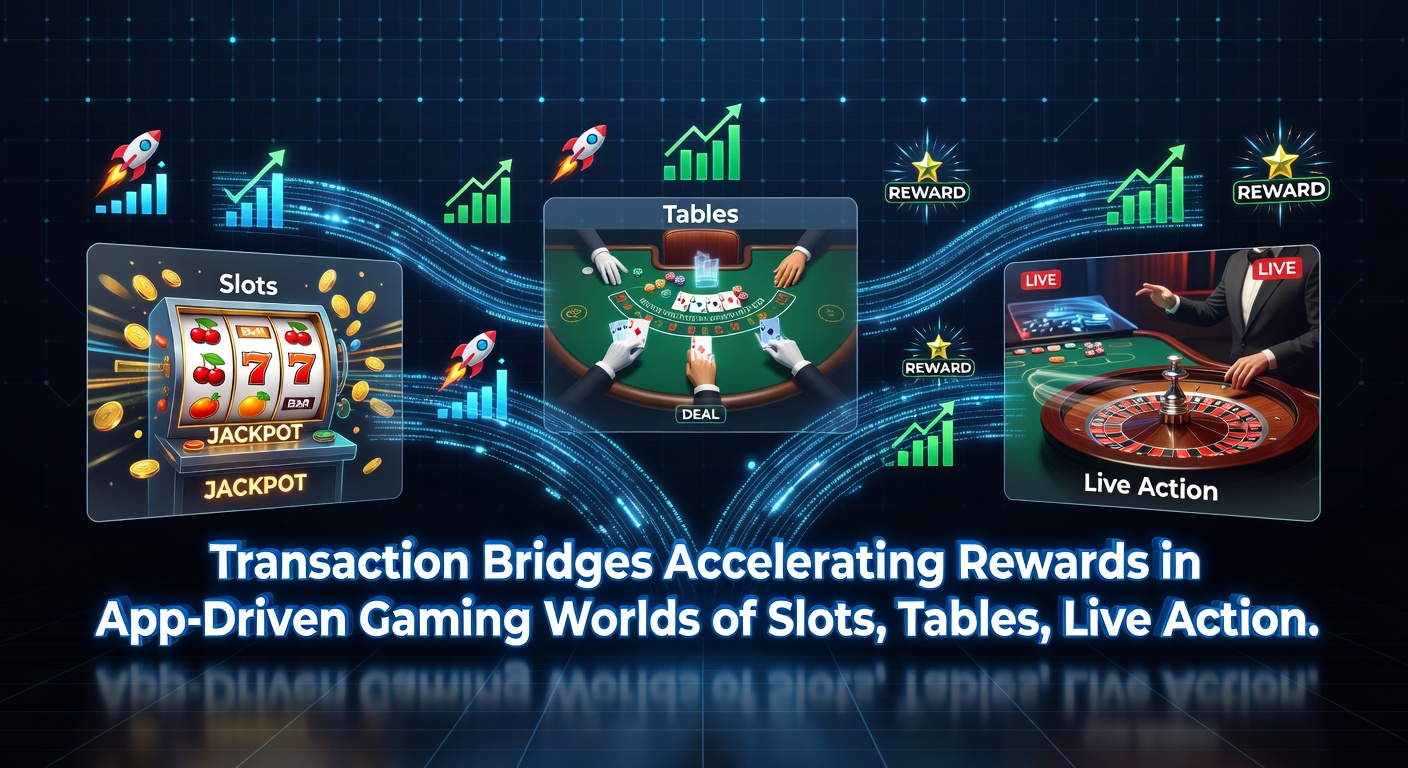
Betting markets benefit when the same bridge routes winnings straight back into casino reward pools, allowing a successful wager to contribute to slot or table loyalty meters without additional steps. Observers note that this cross-vertical crediting reduces player drop-off between different product types because balances remain visible and usable across the entire app ecosystem.
Technical Requirements and Regional Variations
Developers must maintain secure API connections between payment processors and each game server so that transaction confirmations propagate instantly. In jurisdictions such as those overseen by the Malta Gaming Authority, operators submit bridge architectures for review to confirm that reward calculations remain transparent and auditable. Canadian provincial regulators have similarly begun requiring documentation of how bridged systems handle multi-vertical point allocations to prevent discrepancies in player statements.
Payment method compatibility also influences bridge performance. E-wallets and instant bank transfers integrate more smoothly than card payments, which sometimes require additional verification layers. Platforms that prioritize faster rails report shorter reward delivery windows and correspondingly higher conversion of deposits into active play across slots, tables, live streams, and betting interfaces.
Player Behavior Shifts Linked to Bridge Adoption
Analytics firms tracking app usage patterns found that bridged transaction users allocate funds across a wider variety of game categories within the same deposit cycle. A single transfer can fund initial slot spins, move to live dealer tables for bonus rounds, and finish with a sports wager, all while feeding a shared loyalty meter. This behavior contrasts with older systems where separate wallets created friction that kept players within one vertical per session.
Industry reports compiled in the first quarter of 2026 showed average session lengths extending by 14 minutes on apps that introduced full bridge functionality. The added duration stems from players exploring additional game types once they confirm that reward progress continues uninterrupted. Data indicates the effect appears consistent across both casual and high-volume user segments.
Conclusion
Transaction bridges have become a standard component in app-driven gaming environments where slots, tables, live action, and betting operate under one account structure. Their capacity to accelerate reward delivery rests on real-time ledger updates and cross-vertical point recognition rather than promotional incentives alone. As operators continue refining these connections through 2026, the measurable outcomes remain visible in session duration, tier retention, and multi-product engagement statistics released by regulatory bodies and research institutions worldwide.